The enterprise technology industry has optimized for specialization. Every discipline has become more sophisticated and more siloed. What organizations need is not more specialized vendors. They need a model that connects those specializations into a governed system they can actually own and operate. That is what NexGenTek was built to be.
Mr. Ali Khan

Not a vendor.
Not a consulting firm.
A delivery system.
NexGenTek is a structured model for designing, delivering, and operating enterprise technology — integrating cybersecurity, infrastructure, systems integration, and software development under one governance framework with defined outputs, transferable ownership, and continuous compliance evidence.
Most firms deliver projects. Most tools deliver capabilities. NexGenTek delivers systems.

All certifications independently audited under internationally recognized standards — scope covers all delivery operations
A structured system for delivering enterprise technology. Not a collection of services.
NexGenTek is not a consulting firm that produces roadmaps and exits. It is not a staffing company that fills open roles. It is not a systems integrator that hands over projects without documentation. NexGenTek is a structured delivery model — designed to govern, execute, and transfer enterprise technology programs with defined controls at every layer.

A five-layer governance model for enterprise technology delivery. Security, Infrastructure, Integration, Data and AI, and Software Delivery — each a defined functional component, each governed under ISO 27001, SOC 2, and ISO 9001. Every engagement begins with defined scope and acceptance criteria. Every engagement closes with a documented handover and full IP transfer to the client.
Governance, not coordination
In the fragmented model, teams coordinate across vendor boundaries, negotiating scope and escalating blame when systems fail at the seam. In the NexGenTek Delivery System, every layer operates under the same governance framework. Architecture decisions in one layer constrain and inform adjacent layers. There are no seams between vendors because there is only one system.
Transferable ownership
Every engagement closes with a complete handover package — source code, infrastructure-as-code, security configurations, architecture documentation, test evidence, and operational runbooks — transferred to the client. The client team can operate, extend, and troubleshoot the delivered system independently. No re-engagement required. No vendor lock-in.
Compliance by architecture
ISO 27001 Annex A controls and SOC 2 trust service criteria are implemented as systems are built — not applied as a remediation layer after delivery. Compliance evidence is generated through delivery, not assembled before audits. The system produces its own governance record. Audit preparation takes days, not weeks.
Enterprise technology does not fail because organizations lack tools or talent. It fails because the systems those tools and teams operate in were never designed to work together.
Fragmentation is the root cause. The industry sells around it.

Multiple vendors, no unified owner
Security, infrastructure, integration, and software delivery are sourced from separate firms operating under separate contracts. Each defines success within its own scope. When something fails at the boundary between scopes, no single vendor is accountable for the seam it crossed.
Projects close. Problems remain.
Development projects produce deliverables. Consulting engagements produce recommendations. Implementation programs produce configured systems. None of them produce a documented, tested, transferable operating environment. The client inherits a result — not the knowledge, evidence, or control structures to own it.
Compliance as a calendar event
Security reviews and compliance audits are treated as periodic interventions rather than continuous controls. Organizations spend months preparing evidence that should already exist. Each audit cycle is a disruption because the system was never designed to generate evidence as a natural byproduct of operation.
Inconsistent controls across environments
Security standards applied to production do not apply to development. Governance frameworks covering cloud infrastructure do not cover the applications deployed onto it. Compliance certifications describe the controls that should exist — not whether those controls are implemented, tested, and operating as designed across every environment.
A unified system replaces the fragmented model. Structure, governance, accountability.
NexGenTek integrates consulting expertise, execution teams, and augmentation within a single delivery model, eliminating the need for multiple vendors. The system does not eliminate individual disciplines — it governs them together under one framework, with one owner, and one defined output at every phase.

How the system operates
Every engagement begins with a defined scope, agreed acceptance criteria, and architecture decisions signed off before any build begins. Every phase produces documented deliverables — tested, validated, and approved before the next phase opens. Every engagement closes with a complete IP and documentation transfer to the client.
- Security vendor defines controls. Infrastructure vendor deploys environments. Software vendor builds applications. Nobody governs the boundary between them.
- Compliance evidence assembled manually before each audit cycle — a recurring disruption to operations
- IP and documentation retained by delivery teams. Any extension requires re-engaging the original vendor.
- Multiple statements of work, multiple definitions of done, multiple accountability chains — one client responsible for aligning all of them
- One governance framework covers all five delivery layers. Architecture decisions in one layer constrain adjacent layers by design.
- Compliance evidence generated from the first day of delivery. Audit preparation is a reporting task, not a disruptive project.
- All IP, source code, configurations, and documentation transferred at engagement close — operational independence from day one after handover
- One scope, one acceptance framework, one accountable owner — the client manages one relationship, not a portfolio of vendor dependencies
Enterprise technology does not fail because organizations lack tools or talent. It fails because the systems those tools and teams operate in were never designed to work together.
The industry built the problem. NexGenTek was built to solve it.

As organizations grow, their technology environments fragment. More vendors, more tools, more contracts, more definitions of done. Each specialist solves their problem with excellence. Nobody owns the system that connects them. Integration becomes its own discipline — underfunded, understaffed, and permanently reactive.
Consulting firms define strategy and exit. Implementation vendors deploy components and hand over. Systems integrators connect components after they are already built. At each transition — from strategy to build, from build to integration, from integration to operations — knowledge is lost, accountability is diffused, and the client pays to reconnect what was never designed to connect.
NexGenTek was structured to govern the full lifecycle — architecture, security, delivery, integration, and operations — under one model, with one compliance framework, and one defined ownership outcome at close. Not because the industry lacked specialized expertise. Because it lacked a model for connecting that expertise into a governed, accountable, transferable system.
Four functional layers. One governance framework.
The NexGenTek Delivery System operates as four functional layers — each with defined controls, defined outputs, and defined connection points to adjacent layers. Architecture decisions in one layer constrain the others. Controls are consistent across all four. No layer is governed independently.

Cybersecurity and Compliance
Governs access controls, threat detection, compliance evidence, and incident response across every other layer from engagement start.
Cloud Migration and Modernization
Governs the platform all other layers deploy into — cloud environments, IaC, and managed operations with contractual uptime SLAs.
Enterprise Systems Integration
Governs data flows between all platforms — ERP, CRM, and custom systems — eliminating manual coordination at every boundary.
Software, Data, and Digital
Governs application development, data platforms, AI deployment, and digital transformation — built to the Security layer, deployed into the Infrastructure layer.
Others deliver projects. NexGenTek delivers systems.
Most organizations use five vendors to do what one system should govern.
Traditional IT firms, managed service providers, and consulting practices are optimized for their own domain. They are not designed to govern yours. The distinction is not in the quality of their expertise — it is in the accountability model. NexGenTek is accountable to the system, not to the workstream.

17 years. Three independent certifications. Four global delivery regions.

Scope covers all managed IT delivery, cloud infrastructure, cybersecurity, and systems integration operations. Controls implemented as part of delivery architecture — not as a certification-only exercise. Annually re-audited by an accredited certification body.
Independent CPA-issued attestation report covering a 12-month observation period. Trust service criteria for Security, Availability, and Confidentiality. Available under NDA within 24 hours of NDA execution. No commercial agreement required.
17 consecutive years of ISO 9001:2015 certification covering all client-facing delivery processes without exception. Quality management framework governs scope definition, milestone acceptance, defect management, and engagement close procedures across every engagement.
Four defined phases. Every engagement. No exceptions.
The NexGenTek delivery process is not variable by engagement. The same four-phase model applies to every program — regardless of domain, scale, or complexity. Governance is consistent. Outputs are defined. Acceptance criteria are agreed before build. Handover is structured, not assumed.
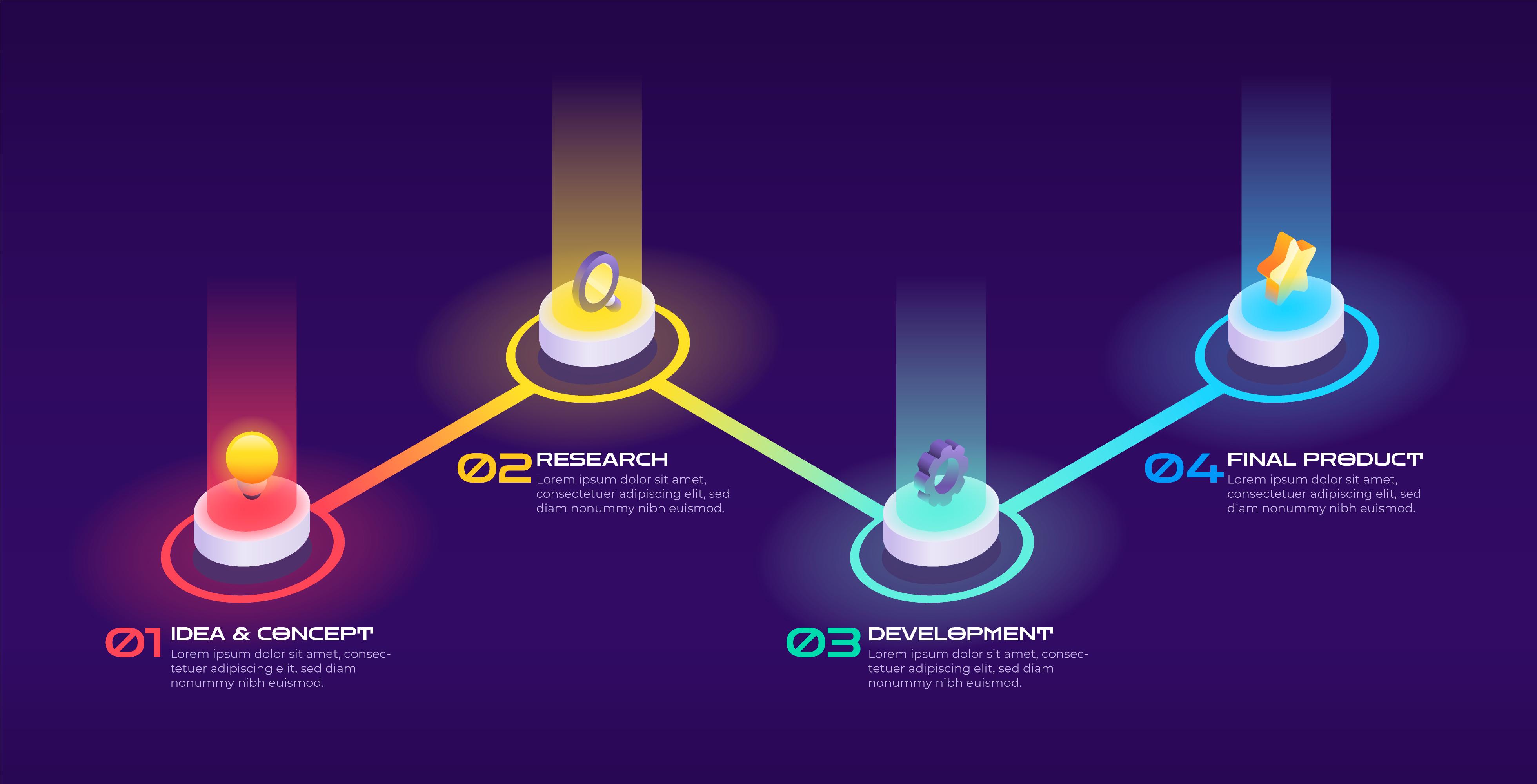
Architecture defined. Scope agreed.
Every engagement begins with a structured assessment — current state, integration requirements, security obligations, and acceptance criteria. Architecture decisions are documented and signed off. Scope, SLAs, and deliverables are agreed before any build begins.
Built to specification. No ambiguity.
Development, configuration, and integration executed to the signed architecture record. Security controls implemented from the first deployment. Every milestone produces documented, tested deliverables — validated by acceptance criteria before the next phase opens. No defects carried forward.
Validated before handover. Not after.
Every system is tested against agreed acceptance criteria before the client receives it. Performance validated. Security posture confirmed. Compliance evidence assembled and reviewed. Rollback procedures tested. User acceptance testing completed. No system goes live without a validated, documented test record.
Complete transfer. Independent operation.
Every engagement closes with a structured handover — all IP, source code, infrastructure-as-code, configurations, monitoring setup, and operational runbooks transferred to the client. Knowledge transfer sessions completed. On-call procedures established. The client team operates independently from day one after handover. No re-engagement required.
Structured to be easy to evaluate. Designed to be easy to buy.
Every document below is prepared and available before any commercial commitment. No follow-up exchange required. NDA turned around within 2 hours. Package delivered within 24 hours.

The Compliance Package
Eight documents covering the complete vendor security review — delivered within 24 hours of NDA execution. No separate requests. No commercial agreement required before delivery.
NDA within 2 hours · Package within 24h · No commitment required
- ISO 27001:2022 certificate and scope
- SOC 2 Type II full report (NDA)
- ISO 9001:2015 certificate
- Pre-completed SIG Lite questionnaire
- Standard DPA with data retention schedules
- Penetration test executive summary
- BCP/DR plan executive summary
- Background check policy and SLA framework

Enterprise technology should behave like a system.
NexGenTek exists to make that possible.
A governed delivery model. Five functional layers. One compliance framework. Defined outputs at every phase. Full ownership transferred at close.