Enterprise operations fail when systems do not behave as one.
NexGenTek delivers enterprise system integration as part of a structured system that connects ERP, CRM, data, and workflows into one execution model — governed from design through operational handover.
Not disconnected integrations. A controlled operating environment built for enterprise execution.
NexGenTek helps enterprise and mid-market organizations connect fragmented systems, eliminate manual processes, and accelerate operational throughput — through structured integration programs with defined deliverables, service-level agreements, and full technical ownership at handover.
Request Integration AssessmentIntegration capability extends to all major ERP, CRM, HCM, and supply chain platforms. Methodology is platform-agnostic — fit to your existing landscape, not a preferred vendor list.
Most firms integrate platforms. NexGenTek integrates operations.
System integration built for operational continuity — not for the demo.
The NexGenTek Delivery System for enterprise integration is a structured model for connecting platforms, governing data flow, and automating operational execution as one controlled environment.
Every engagement is scoped with defined integration specifications, acceptance criteria, and service-level delivery commitments. No open-ended programs — structured phases with measurable outputs and full documentation at each milestone.
These are not standalone services. They are integration modules within one delivery system.

SAP & Oracle ERP Implementation
Structured ERP implementation — from process mapping and configuration through data migration, user acceptance testing, and go-live. Risk is managed through phased delivery, milestone sign-off, and documented cutover procedures.
Salesforce & CRM Implementation
Salesforce Sales Cloud and Service Cloud implementations configured to your actual sales process — not a generic template. ERP and platform integration eliminates manual data entry and consolidates pipeline visibility.
Enterprise System Integration
API-first integration connecting ERP, CRM, HCM, and custom systems — eliminating manual export-import cycles, reducing reconciliation effort, and creating a single source of truth for operational data.
Workflow Automation & Process Optimization
Workflow automation targeting high-volume manual processes first — approvals, data entry, and reconciliation — with defined scope, acceptance criteria, and measurable throughput targets agreed before build begins.
How fragmented systems become a connected operational platform.
A direct view of how NexGenTek processes your integration challenge — what disconnected systems and processes go in, how the integration layer is designed and built, and what connected, automated operations come out.
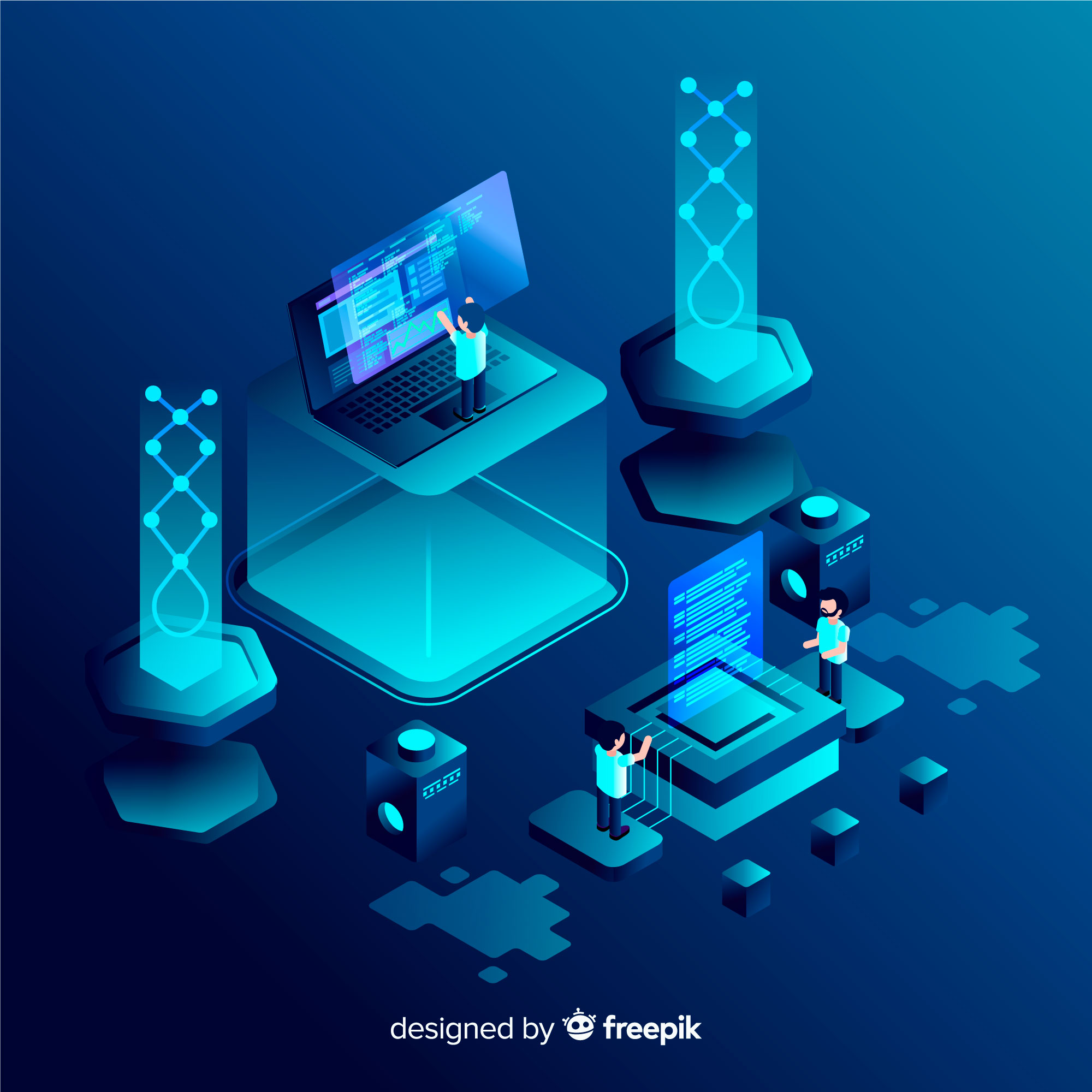
Phased delivery — from discovery to operational handover.
No engagement closes with a slide deck. Every phase produces documented deliverables — integration specifications, test results, configuration documentation, and operational runbooks — before the next phase opens.
NexGenTek provides consulting expertise, execution teams, and augmentation within a single delivery model, eliminating the need for multiple vendors.

Discovery & Integration Mapping
Full system landscape inventory — all platforms, data flows, manual processes, and integration dependencies mapped before design begins. Integration requirements documented to a level sufficient for acceptance testing. Data quality assessed per source system prior to migration scoping.
Architecture Design & Acceptance Criteria
Integration architecture documented — data flow diagrams, API contract specifications, transformation logic, and error handling design. Acceptance criteria and performance SLAs agreed with the client before build sprint 1. No integration enters development without a documented specification signed off by both teams.
Phased Build, Test & Validation
Integrations built and validated against documented acceptance criteria. Data migration dry runs executed with reconciliation reports reviewed by the client before live migration. User acceptance testing supported by NexGenTek. Defects closed before milestone sign-off — no known defects carried into production.
Go-Live, Monitoring & Handover
Cutover executed with tested rollback procedure. Post-go-live support period with defined response SLAs. Monitoring dashboards transferred to the client operations team. Full configuration documentation, integration runbooks, and administrator training delivered at engagement close.
Measured results from enterprise integration programs.
First production integration delivered and validated within 12 weeks of engagement start, including discovery sprint.
Targeted reduction in manual data entry and reconciliation effort within scope of the integration program. Measured against pre-engagement baseline.
Defined pipeline uptime target across all integrations in scope, with monitoring and defined response SLAs for errors.
Integration specifications, data flow diagrams, and configuration documentation available to procurement within 48 hours of request.
Manufacturing organisation with SAP ECC 6.0 approaching end of mainstream maintenance. NexGenTek delivered the finance and procurement modules on S/4HANA in 14 weeks across 4 production sites. Parallel-run cutover maintained full operational continuity. Data migration executed with three dry runs and reconciliation validation before live transfer. Full configuration documentation and 48-hour administrator training delivered at handover.
Professional services firm running Salesforce, NetSuite, and three separate project management tools with no automated connection. 3.5 hours per week of analyst time spent on manual revenue reconciliation between CRM and ERP. NexGenTek built the Salesforce–NetSuite integration with automated opportunity-to-invoice data flow. Manual reconciliation effort reduced to under 20 minutes of exception review per week, verified against baseline measurement at 60 and 90 days post-go-live.
Retail enterprise with purchase order approvals managed by email chains and manual tracker updates, creating 4–7 day approval cycles. NexGenTek mapped 22 approval workflow variants, consolidated to 6 automated paths in the ERP, and automated supplier onboarding notifications. Approval cycle reduced from 4–7 days to under 6 hours for standard POs. Estimated 340 person-hours per month of email coordination replaced by automated workflow. Exception escalation paths tested and documented before go-live.
Structured for enterprise vendor evaluation and procurement approval.
NexGenTek integration engagements are documented for enterprise procurement workflows — with defined deliverables, defined SLAs, milestone-based payment structures, and full technical ownership transfer at close.
Defined Deliverables at Every Milestone
Each project phase closes with documented deliverables — integration specifications, data migration validation reports, test results, and configuration documentation — reviewed and signed off by the client before the next phase begins. No open-ended delivery without milestone accountability.
Full IP and Technical Ownership at Handover
All configurations, integration code, data transformation logic, documentation, and credentials are transferred to the client at engagement close. NexGenTek retains no proprietary lock-in after handover. Your team operates the platform independently — or works with any subsequent partner without restriction.
SLA-Backed Service Commitments
Delivery timeline commitments, pipeline reliability targets, and post-go-live support windows are backed by defined service agreements — not estimates. Service credit provisions apply to all SLA breaches. Remedy structure available for review before contract signature.
Enterprise Commercial Framework
Master Services Agreement with enterprise-standard terms including IP assignment, liability framework, and exit provisions. Milestone-based payment structures aligned to delivery phases. Fixed-price and time-and-materials models available. Works within standard enterprise procurement and legal review workflows.
How NexGenTek Compares to Traditional Integration Consulting
Traditional consulting can define integration strategy. NexGenTek is built to make integrated operations work in production.
Traditional integration consulting separates advisory from execution and execution from operations. NexGenTek delivers similar capabilities through a structured system that integrates architecture, delivery, and handover into a single model — reducing vendor fragmentation and accelerating the path to operational value.

Build operations that behave as one system.
Not disconnected platforms. Not manual bridges. A controlled environment — ERP, CRM, data, and workflows connected and governed under one execution model with defined outcomes and full IP transfer at close.